Rehab
Coming back after pain
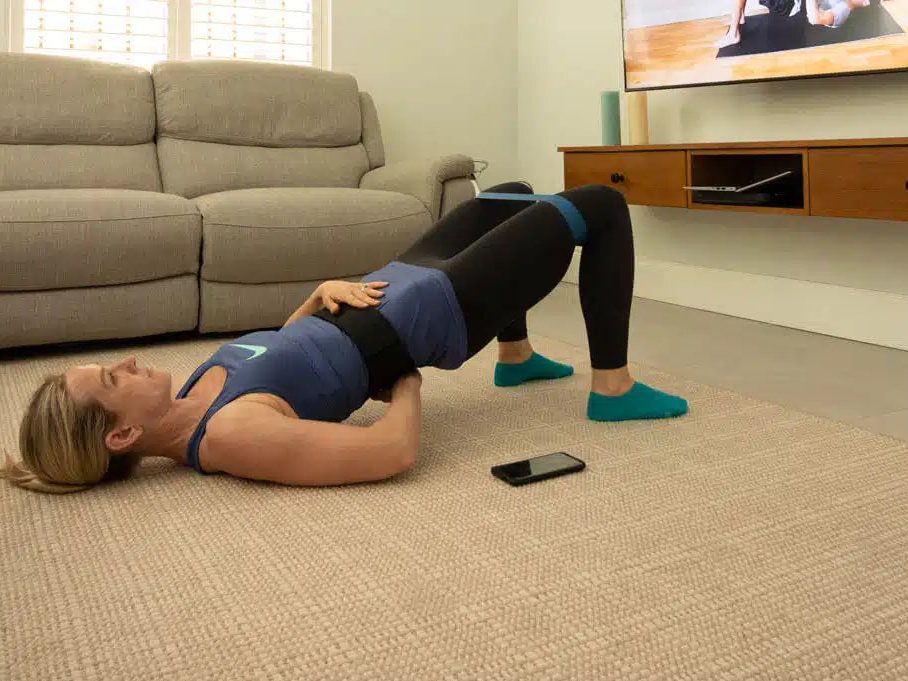
The hard part of rehab is doing the exercise the way it was shown to you, weeks later. A tight range holds that standard between appointments.

Two sensors calibrate to your own back, then buzz the moment a rep, a stretch or a slump leaves your range.
One of the 200 Best Inventions of 2024
Listed in TIME’s own Best Inventions collection.
Out of 5 on Google Reviews
The rating published on our own storefront.
Designed by chartered physiotherapists
Founded in 2022 in Co. Kilkenny.
Feedback, not support
The belt reads your position. It never holds you up.
Choosing how much movement you allow is step three of putting the belt on. Open the range, pick something you actually do, and watch where your line falls.
Move the slider or pick a movement to run it.
The four movements are illustrative, so the behaviour of the range is visible on a screen. On your own back the belt reads you, calibrated to the position you set, and reports what your spine actually does.
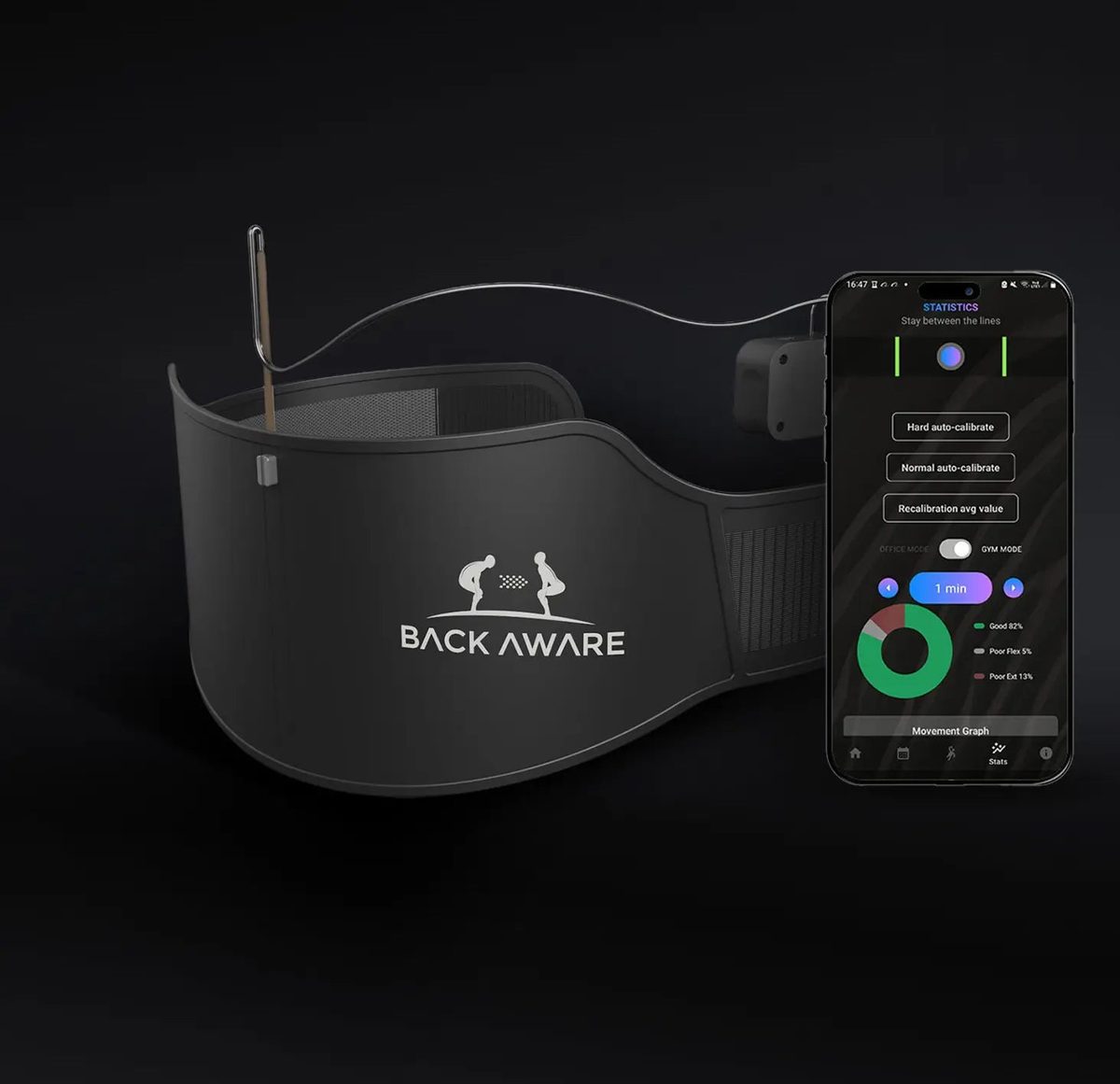
This is how we describe putting it on, word for word.
Place the BackAware Belt around your lower back and abdomen.
Calibrate the belt in your desired starting position.
Choose the level of movement you want to allow.
Try it aboveBegin your exercise or activity.
Receive immediate feedback if your back moves beyond the selected range.
Traditional support belts hold or restrict your body. The BackAware Belt teaches you. It never forces you into position. It tells you when you have left the one you chose.
The position that counts changes with what you are doing. The range changes with it, and you are the one who sets it.
The hard part of rehab is doing the exercise the way it was shown to you, weeks later. A tight range holds that standard between appointments.
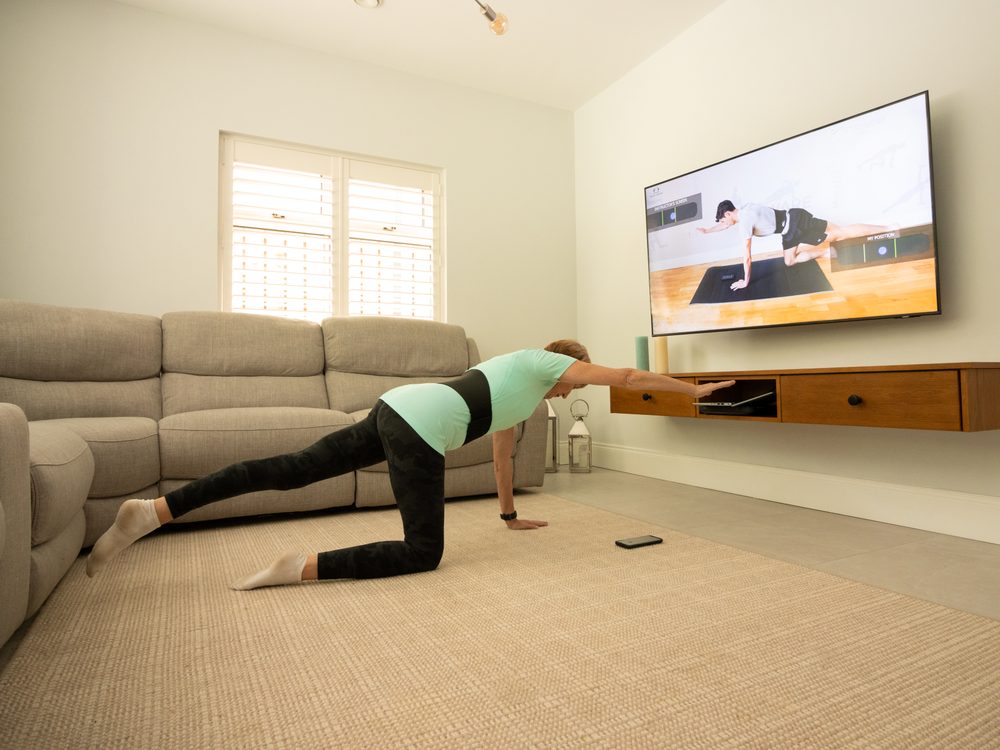
Nobody can see your lower back when you follow a class at home, including you. The belt can, and it says so the moment it moves.
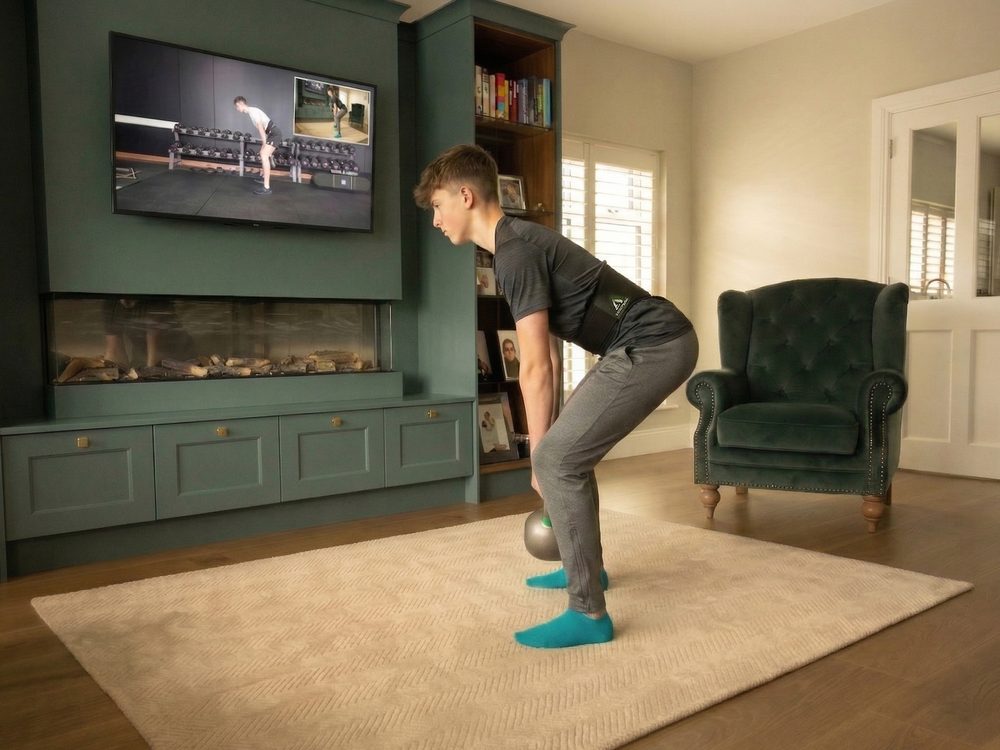
The rep you should stop on feels like the one before it. The belt tells you while the weight is still in your hands.
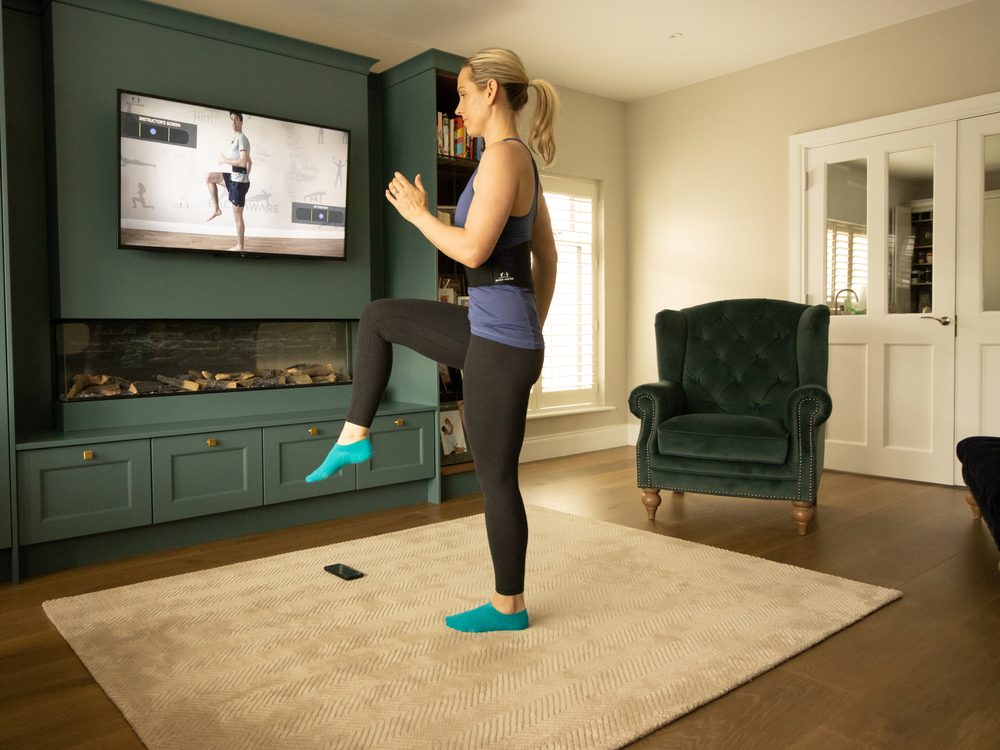
New to training, the real question is whether what you just did was right. A vibration you can feel answers it on day one.
A slump at the desk arrives over forty minutes: too slow to feel happening, long enough to matter. The belt notices when the position changes, not when it starts to hurt.
Pair it with the app and the belt becomes part of a complete training system, with a programme chosen for your goals.
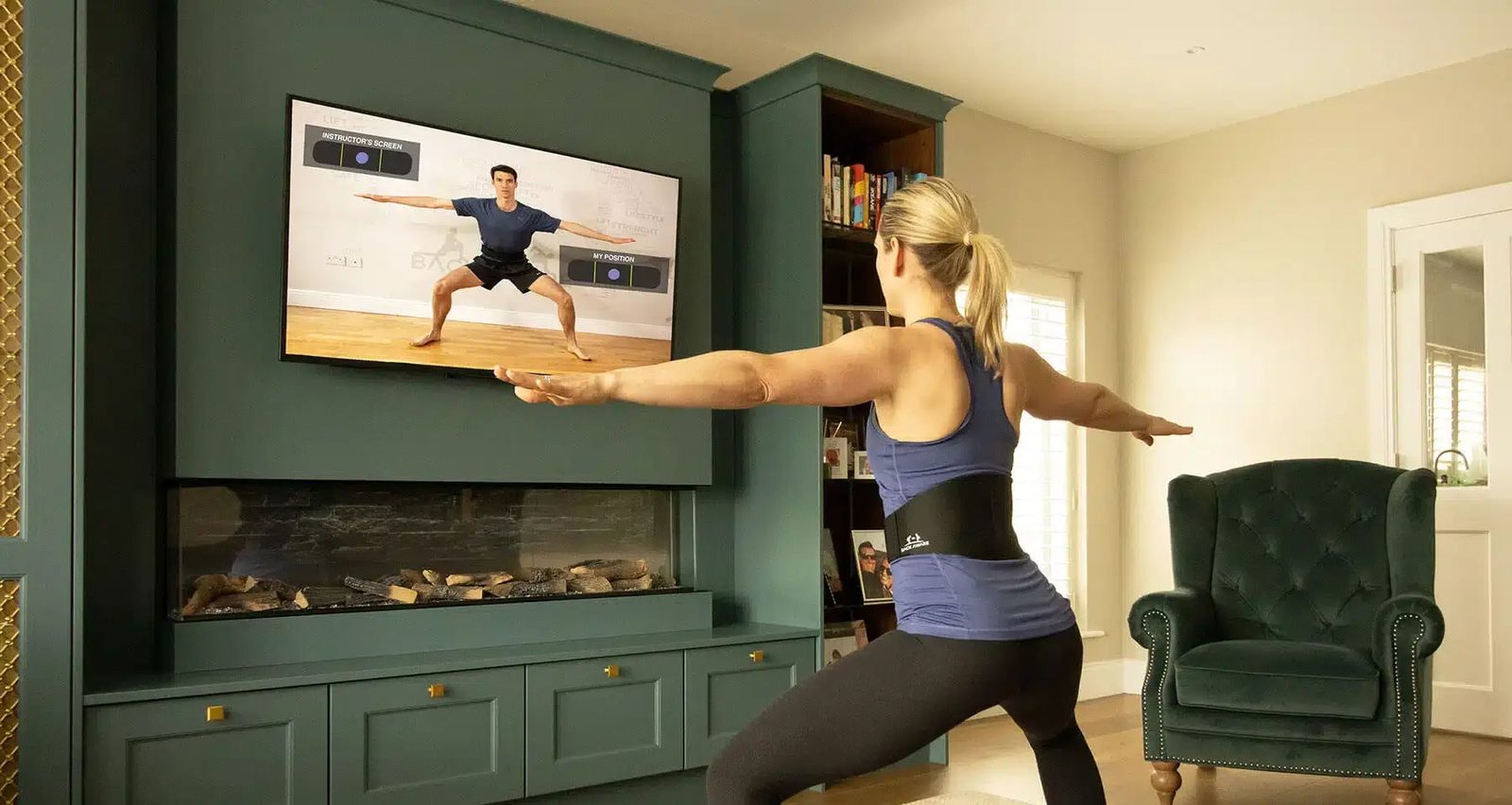
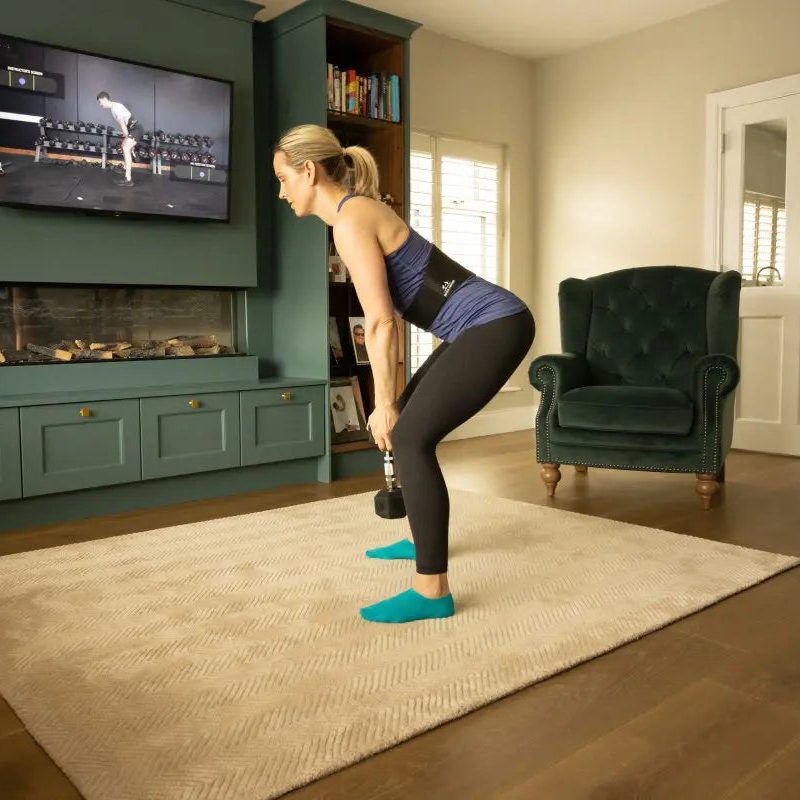
Plans for returning to exercise after back pain or injury.
Adjust how much movement counts, with real-time visual feedback.
Pilates, mobility and personalised plans, with every session logged.
“It is like having a physiotherapist supervising every exercise.”
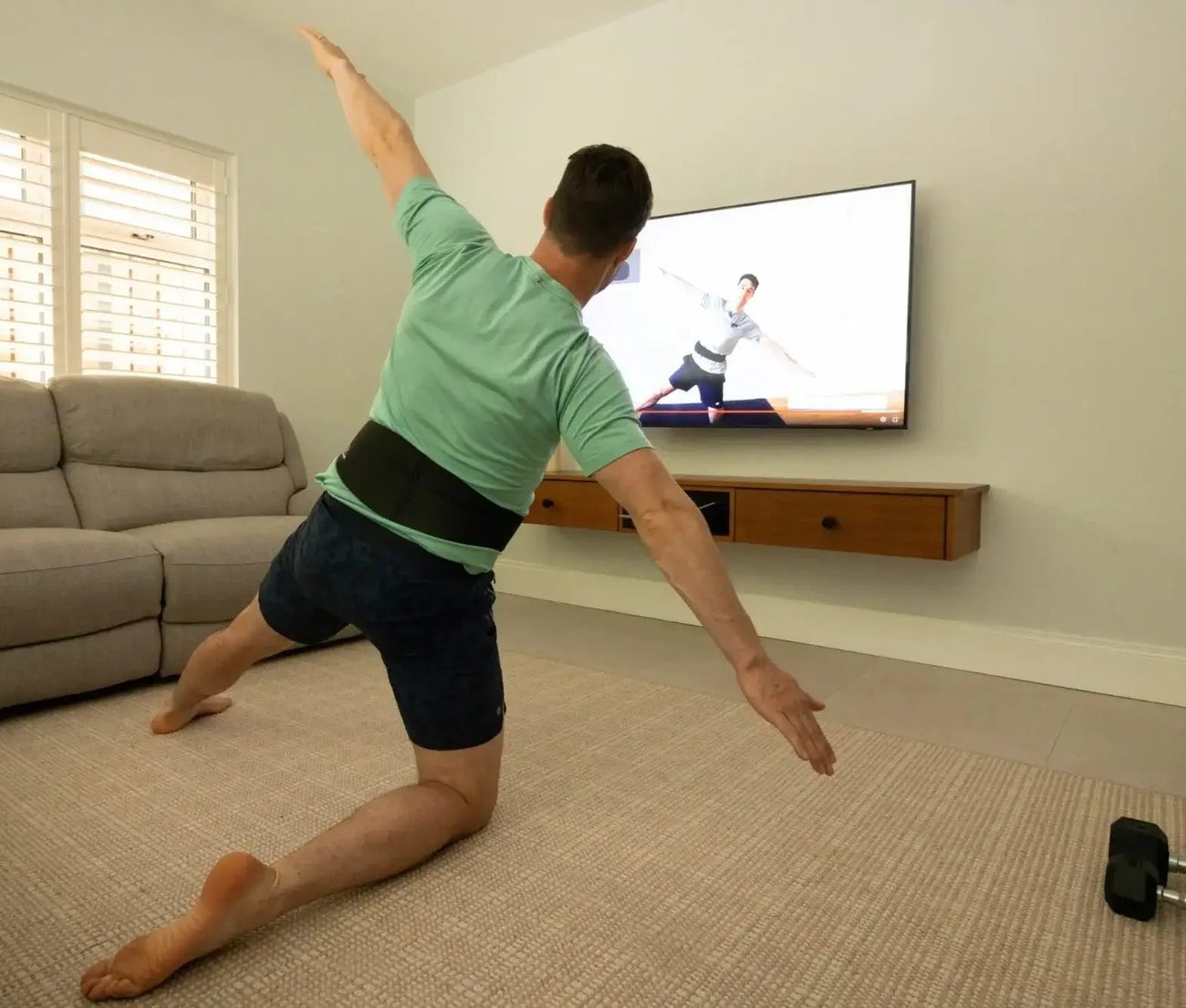
I would give patients exercises to do and they would return doing them in a way that might be hurting their backs even more.”
Dr Eoin Everard, chartered physiotherapist and founder
Most people will never have a physiotherapist standing over every rep, and a support belt does not change that: it holds you up and teaches you nothing. So we built the thing that goes with you instead.
“Like having every lift and exercise supervised by a physiotherapist.”
“I recently started using the backaware belt and it has improved my back posture. During the Pilates classes I was always conscious of having a good posture for my back/spine but when I started using the belt I realised that I was letting my lower back bend during some exercises.”
“I purchased the back aware belt recently and I have to say it has been really great for monitoring my back position when doing Pilates. I like the way that it vibrates when I am in a poor position. And I can be confident that I am doing all the moves correctly.”
“Since I started the course I have not had any back pain or back issues. I am able to run each day without issue and feel stronger and more confident in my body. Previous to the course back pain and back issues had prevented me from exercising.”
Calibrate it once, set the range you want to hold yourself to, then get on with the session. Questions about sizing, rehab or using the belt alongside a physiotherapist are welcome before you buy.